Geological periods
An overview of the time periods
Introduction
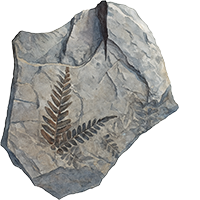
The history of the Earth is divided into a series of impressive geological periods, each spanning millions to even billions of years. Each period tells its own story about the evolution of life, the formation of continents, and dramatic changes in the climate and in which animals lived.
Some periods were marked by an explosion of life, while others ended with the disappearance of many species, which changed the world forever. And each period has its own fossils.
Below is an overview of the geological periods, highlighting the key events that make each time period unique. Just take a look at how ancient life on Earth really is, and how remarkable its development has been.
Earth is constantly changing
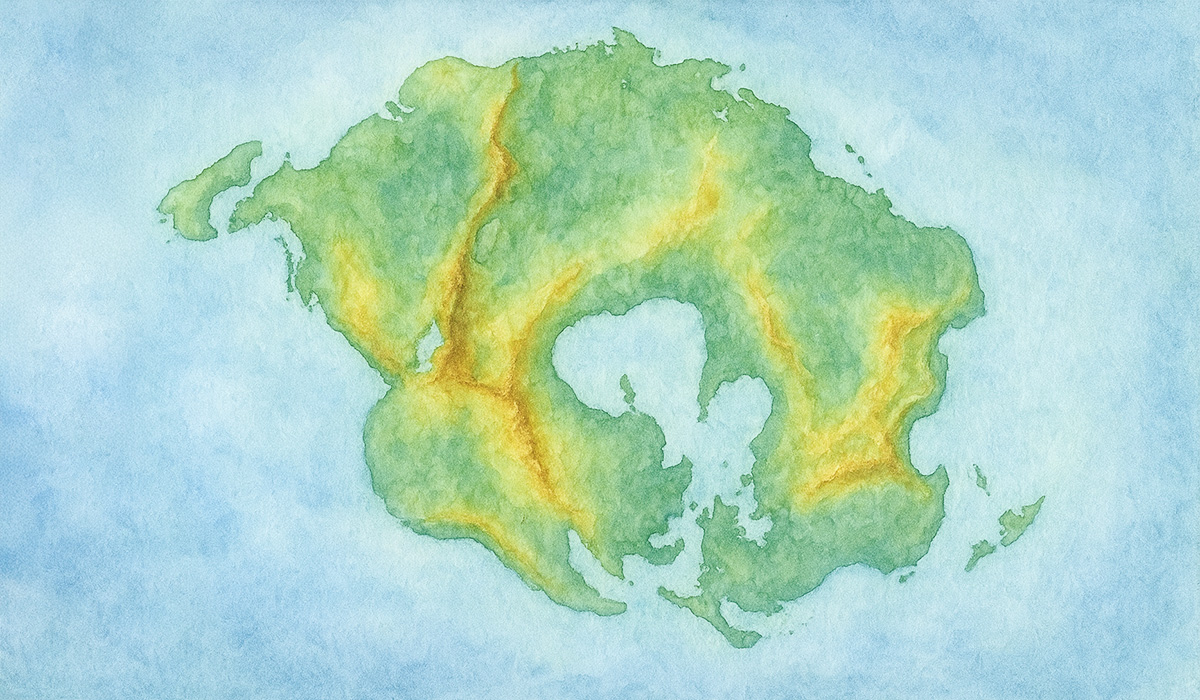
Throughout this vast history, the planet itself has undergone dramatic transformations. The continents as we know them today were once arranged very differently. At the end of the Paleozoic and the start of the Mesozoic, about 300 to 200 million years ago, almost all landmasses were joined together in a supercontinent called Pangaea. This affected the climate, ocean currents, and where species lived. Plate tectonics later broke Pangaea apart, forming new oceans and continents. These shifts had major consequences for life on Earth, contributing to both the emergence of new species and the extinction of others.
Life and fossils through time
The same tectonic forces that broke apart Pangaea continued to reshape Earth's surface over millions of years, causing land and sea to swap places repeatedly. What is dry land now may once have been the bottom of an ancient ocean. This explains why marine fossils like ammonites or trilobites are sometimes found high in mountain ranges or deep inland. Likewise, land fossils such as dinosaur bones can turn up in unexpected places. Geological changes, combined with erosion and sedimentation, have transported and preserved fossils in unexpected locations.
A journey back in time
Below is an overview of the geological periods, highlighting the key events that make each time period unique. From single-celled life to the rise of dinosaurs and eventually humans.
Quaternary
0–2.6 million years ago
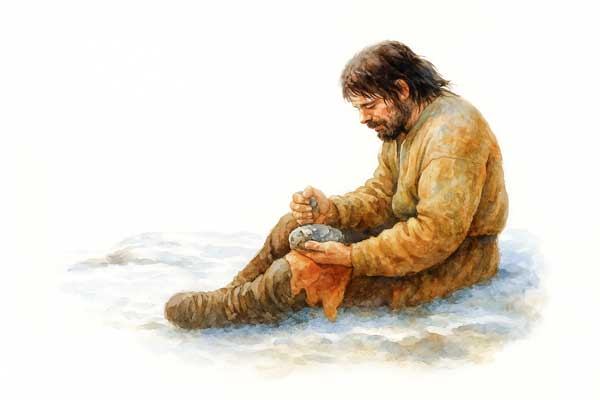
We are now living in the newest chapter of Earth's history. Humans appeared and built villages and cities. There were ice ages with animals like mammoths and saber-toothed tigers. Today, people are changing the planet faster than ever before.

Tertiary
2.6–66 million years ago
When the dinosaurs were gone, mammals and birds took over. Monkeys appeared, grasslands spread, and animals like horses, elephants, and great apes showed up in a cooler world.
Cretaceous
66–145 million years ago
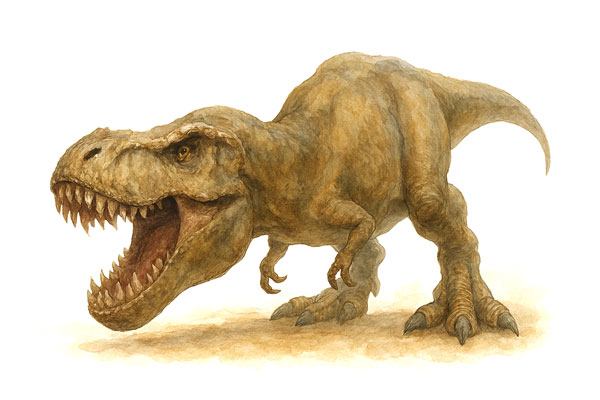
Dinosaurs ruled the land, and flowering plants appeared. A giant asteroid hit Earth at the end, causing a mass extinction that ended the age of dinosaurs.
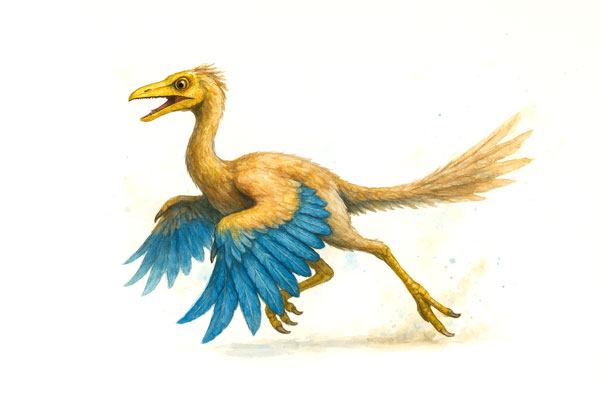
Jurassic
145–201 million years ago
Dinosaurs grew bigger and bigger and ruled the land. The supercontinent Pangaea slowly broke apart, and the first birds appeared. Ammonites and belemnites swam in the warm seas.
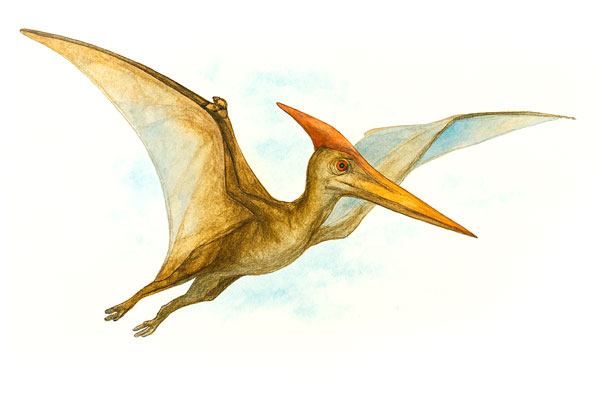
Triassic
201–252 million years ago
After the Permian extinction, life slowly recovered. The first dinosaurs and mammals appeared. All continents were still joined together in one supercontinent called Pangaea.
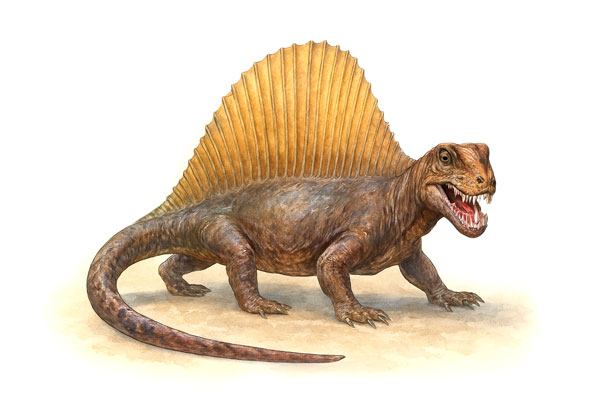
Permian
252–299 million years ago
The land became drier, and new animals appeared, like reptiles that looked a bit like mammals. But at the end of this time, something terrible happened: most kinds of plants and animals died out because of enormous volcanic eruptions.
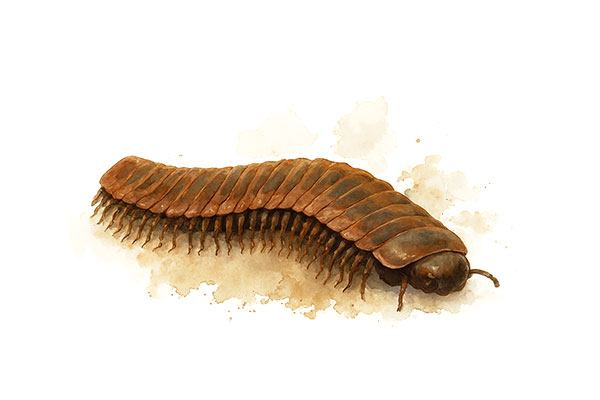
Carboniferous
299–359 million years ago
Long ago, Earth was covered in wet forests with giant ferns and big insects. Early amphibians and the first reptiles lived there. When the plants and trees died, they sank into the mud. After millions of years, they turned into coal deep underground.
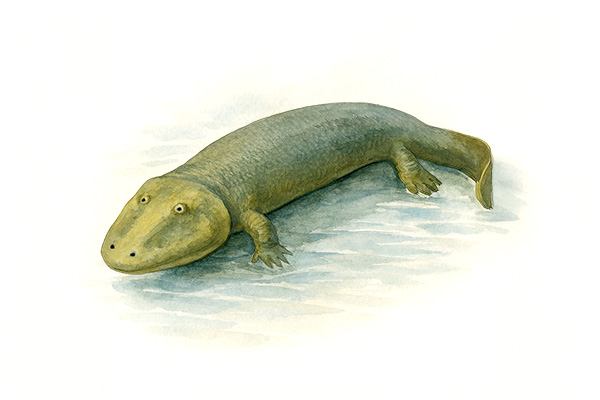
Devonian
359–419 million years ago
Known as the "Age of Fishes," this period saw a great diversity of fish species. Some fish developed limbs and became the first vertebrates to walk on land. Forests also began to spread.
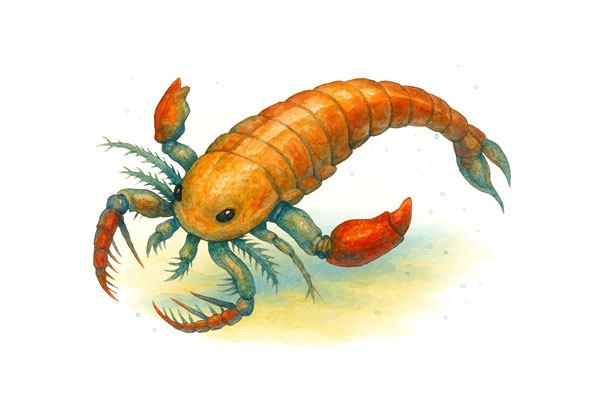
Silurian
419–443 million years ago
After a short but harsh ice age, Earth became warmer again. Fish with real jaws showed up, and the first plants with sturdy little stems grew on land. Small animals like millipedes were the first to crawl out of the water and explore the land.
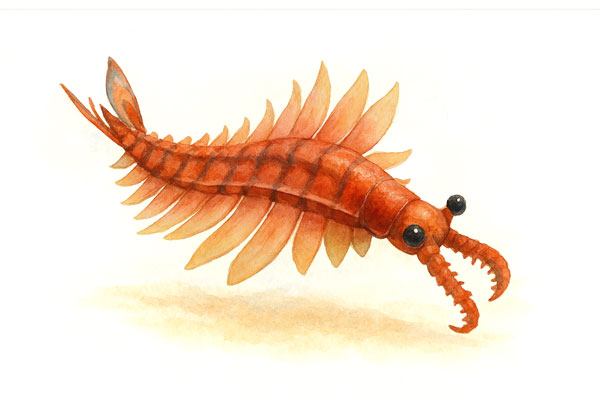
Ordovician
443–487 million years ago
The oceans were full of strange creatures, like trilobites and relatives of squid with long, straight shells. The first coral reefs formed. Some plants started growing on land. But at the end, it got very cold because of an ice age, and many sea animals died out.
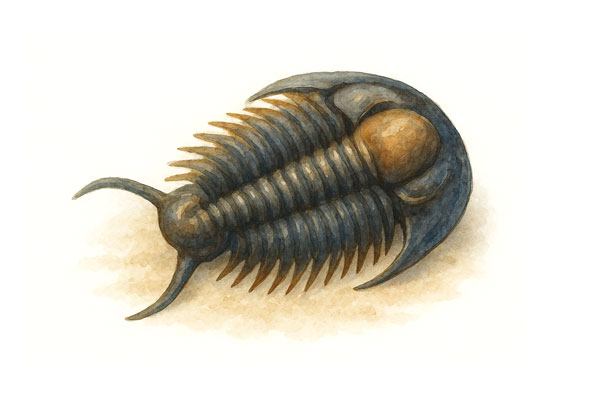
Cambrian
487–539 million years ago
During this time, lots of new sea animals suddenly appeared. Some got hard shells to protect themselves, like trilobites. That's why scientists call it the "Cambrian explosion," a time when ocean life changed really fast.
Precambrian
539–4,600 million years ago
This was the very beginning of Earth, and it lasted a super long time. The planet was formed, oceans appeared, and the first life forms, like bacteria lived in the water. Slowly, oxygen built up in the air, and at the very end the first soft, simple animals appeared.
Good to know
Fossils tell the story of our Earth, from millions of years ago to now. Before you start searching yourself, it's smart to learn the basics first. What exactly are fossils? Which periods do they come from? And how can you find them yourself? Click the pictures below to find out, step by step.
What are fossils?
Want to know what fossils are? Read here how they form and what they tell us about animals from the past. Discover the world of ancient bones and shells!

Geological periods
Earth is super old and has been through lots of different periods. On this page you'll discover how old the Earth is and which plants and animals lived back then.
Fossil hunting
Want to hunt for fossils too? Here you can see what I bring along. What you need depends on where you're going to search!