Ailly-sur-Meuse
France
Introduction
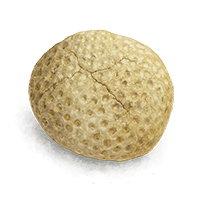
Our fossil adventure began many years ago in France in the village of Ailly-sur-Meuse. We had rented a cottage for the summer vacation and enjoyed the surroundings. During a walk I saw a strange stone lying in the middle of the path that looked like a golf ball. You can see it in the photo below. When I took a closer look around, I saw that the field next to the path was full of strange stones, so I took a few home with me.
After some research and asking around, they all turned out to be fossils. Take a look at everything we found.
Geological period
Jurassic
145–201 million years ago
Dinosaurs grew bigger and bigger and ruled the land. The supercontinent Pangaea slowly broke apart, and the first birds appeared. Ammonites and belemnites swam in the warm seas.
What we found there

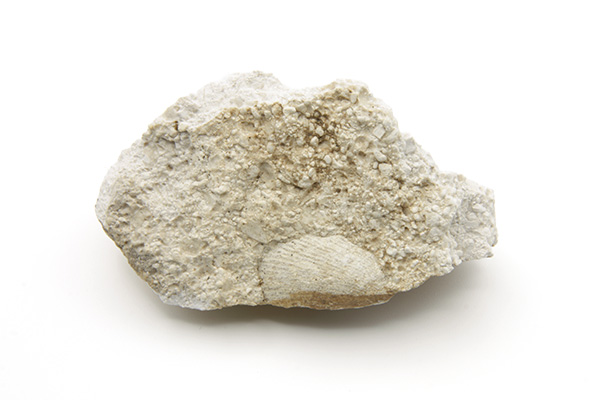
Bivalve
Not yet identified (2008)
Bivalve
Not yet identified (2008)
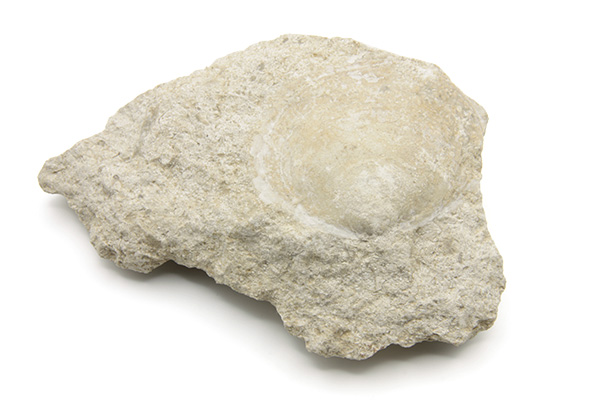
Bivalve
Not yet identified (2008)
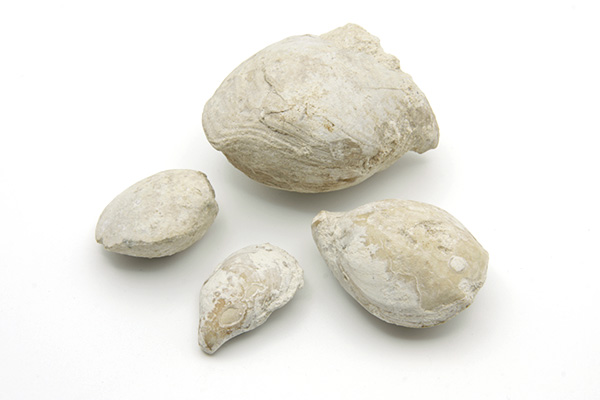
Brachiopod
Terebratula sp. (2008)
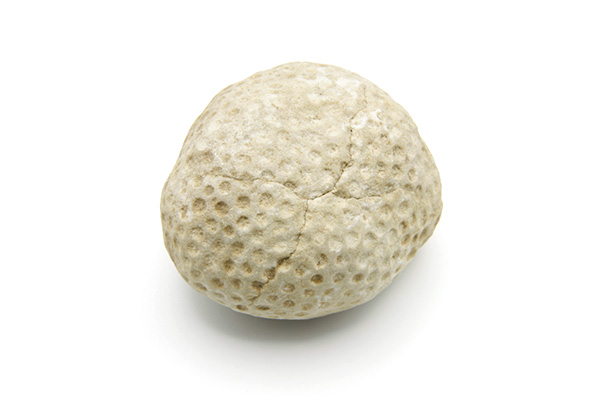
Coral
Heliolites sp. (2008)
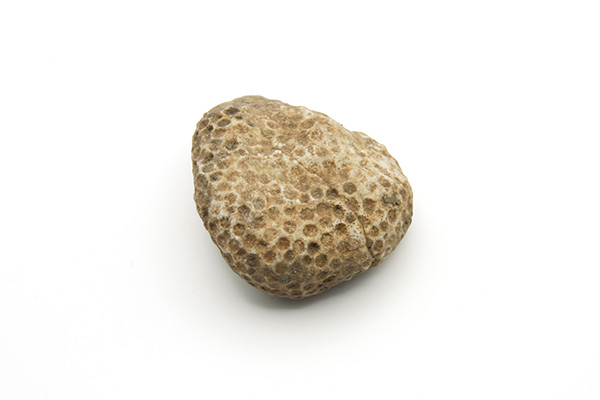
Coral
Heliolites sp. (2008)
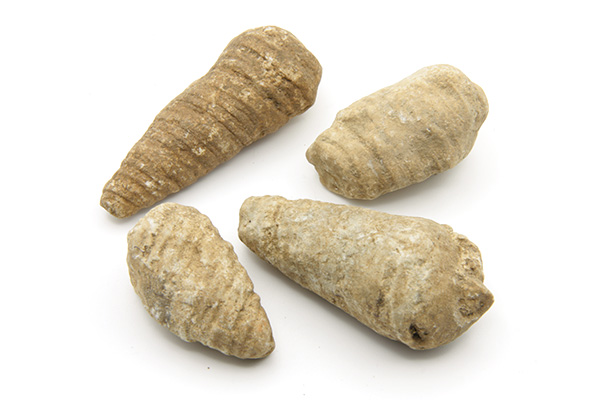
Coral
Not yet identified (2008)
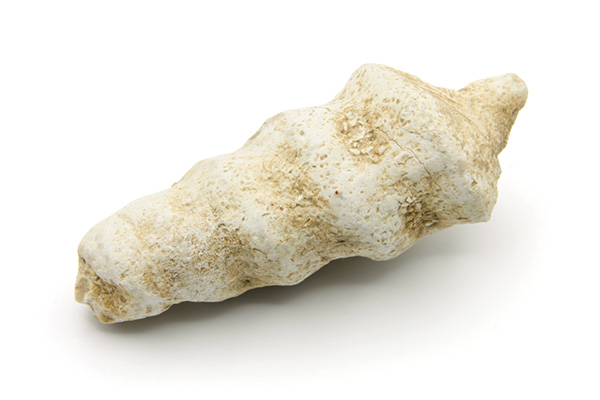
Coral
Not yet identified (2008)
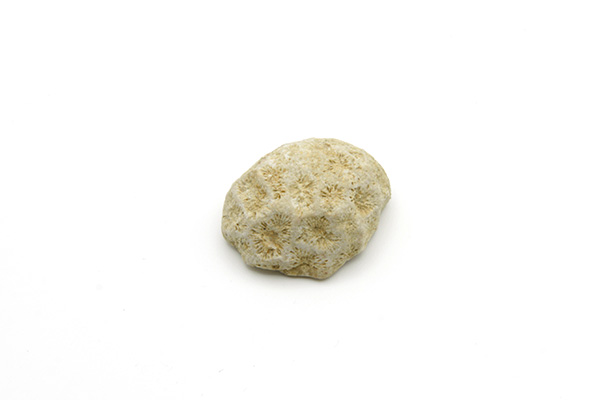
Coral
Isastrea sp. (2008)
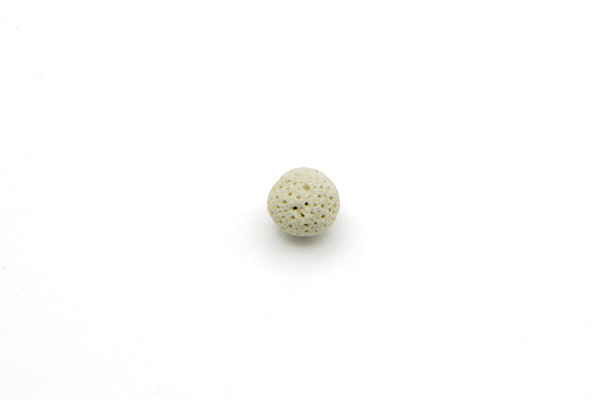
Coral
Not yet identified (2008)
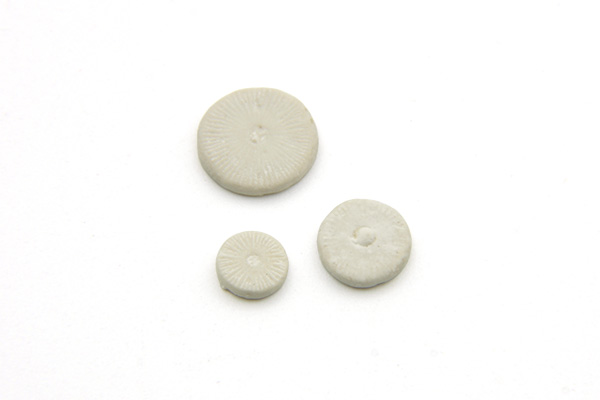
Crinoid
Not yet identified (2008)
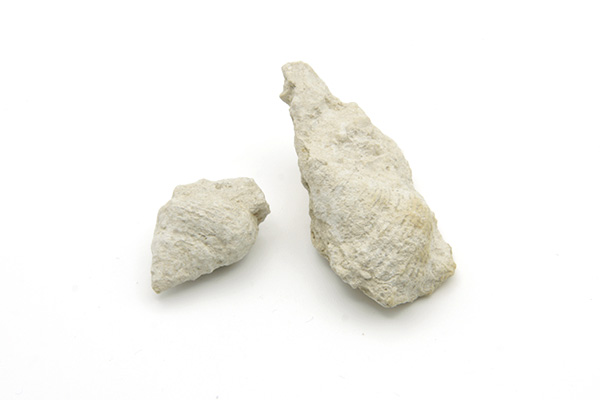
Gastropod
Not yet identified (2008)

Gastropod
Not yet identified (2008)
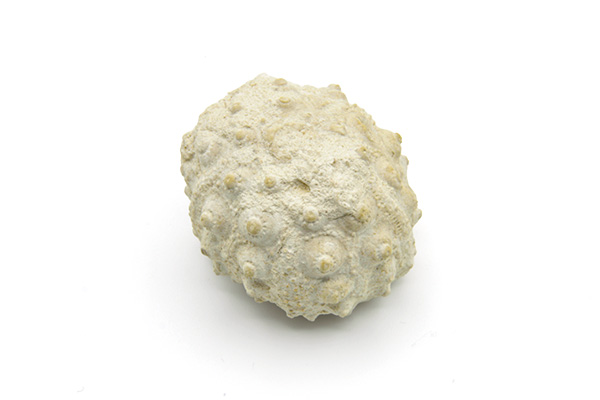
Sea urchin
Acrosalenia hemicidaroides (2008)
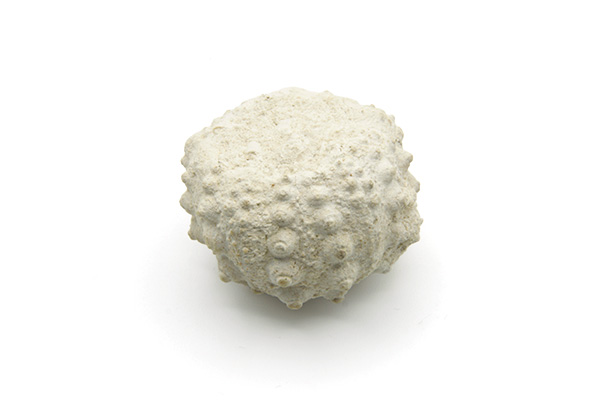
Sea urchin
Acrosalenia hemicidaroides (2008)

Sea urchin
Acrosalenia hemicidaroides (2008)
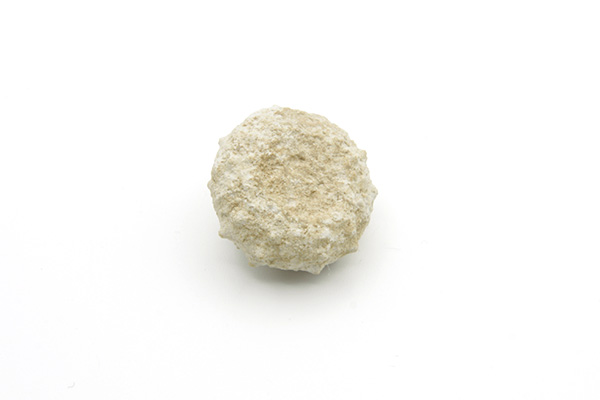
Sea urchin
Acrosalenia hemicidaroides (2008)
Location of this site
Fossil sites in Europe
Below is an overview of our fossil sites, the places we've visited, and the fossils we've found there.
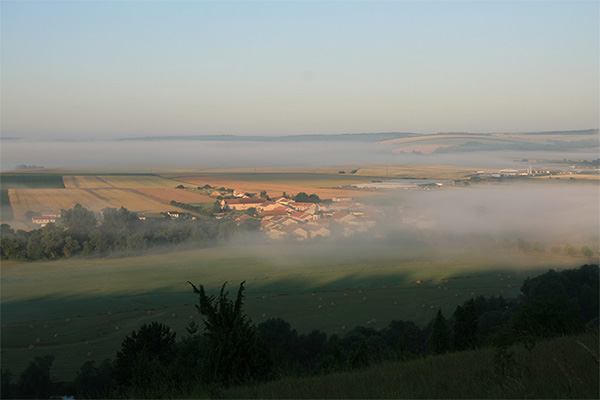
Ailly-sur-Meuse
France

Cadzand
Netherlands
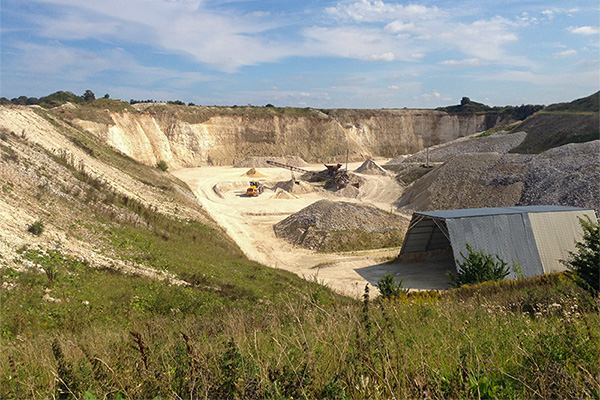
Dalbyover Kalkgrav
Denmark

Faxe Kalkbrud
Denmark
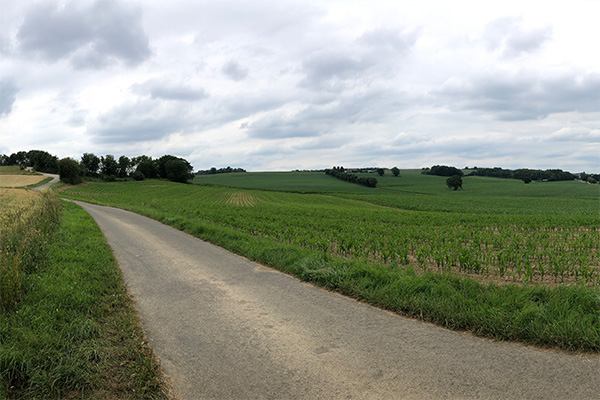
Giesdorf
Germany

Gram Lergrav
Denmark

Lyby Strand
Denmark
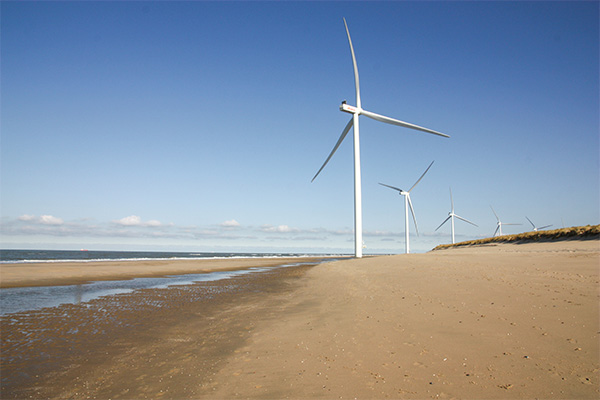
Maasvlakte
Netherlands
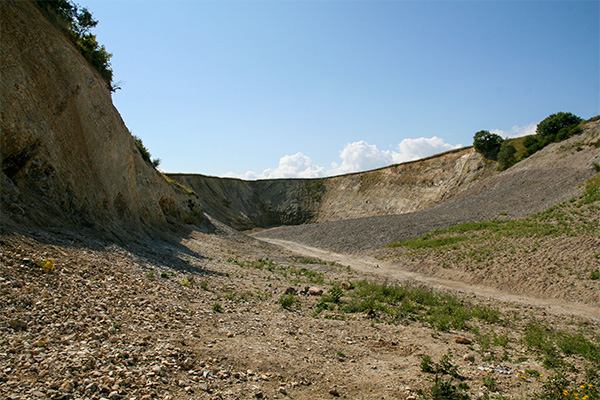
Mors Molergrav
Denmark

Sallandse Heuvelrug
Netherlands
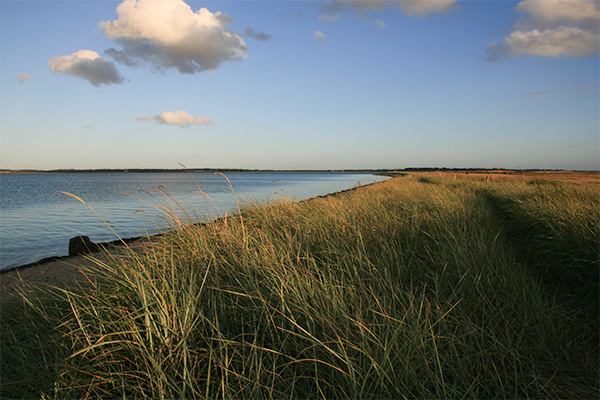
Sillerslev
Denmark
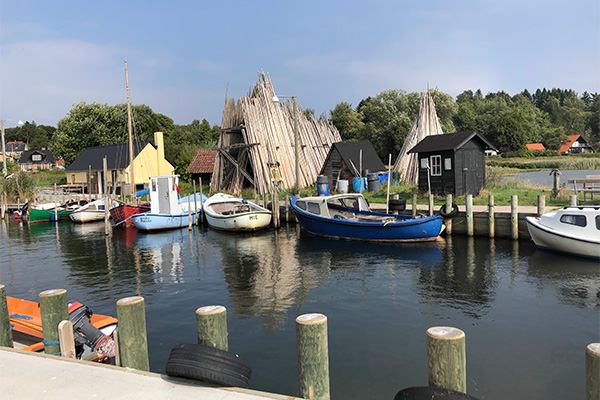
Stinesminde
Denmark

Varvinay
France
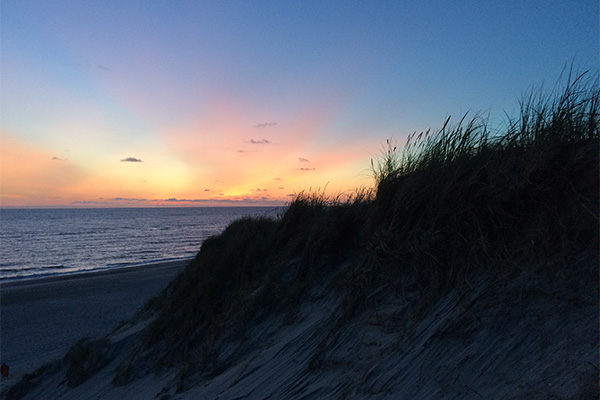
Vedersø Klit
Denmark

Virksund
Denmark

Vokslev Kalkgrav
Denmark