Varvinay
France
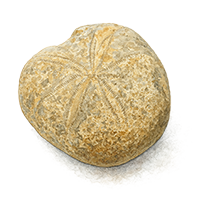
Introduction
During a walk in the area around Varvinay we came across a rocky slope that contained corals, shells and sea urchins. The slopes are overgrown, which makes searching difficult, and because they're next to a road they aren't suitable for young children. A little further away lies the village of Ailly-sur-Meuse. Check out that site if you'd like to go for a walk with younger children.
Geological period
Jurassic
145–201 million years ago
Dinosaurs grew bigger and bigger and ruled the land. The supercontinent Pangaea slowly broke apart, and the first birds appeared. Ammonites and belemnites swam in the warm seas.
What we found there
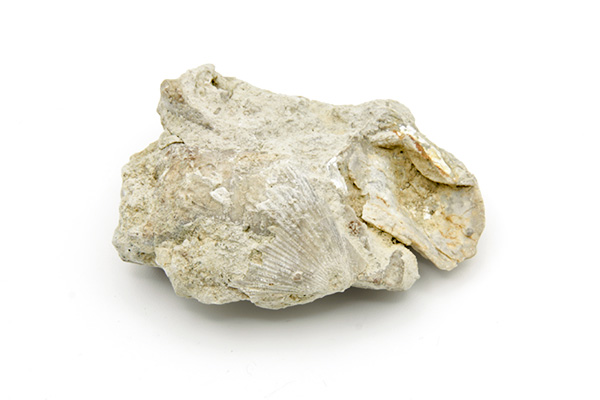
Bivalve
Not yet identified (2019)
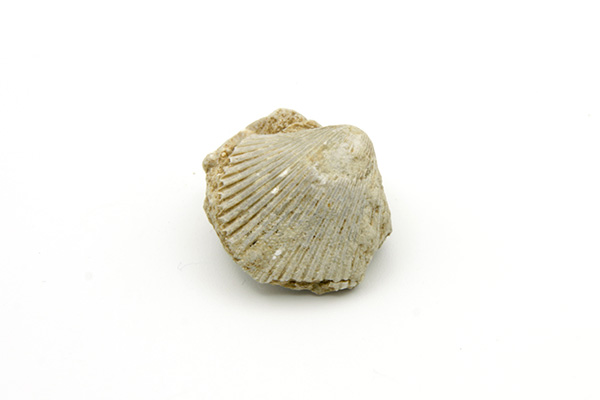
Bivalve
Not yet identified (2019)
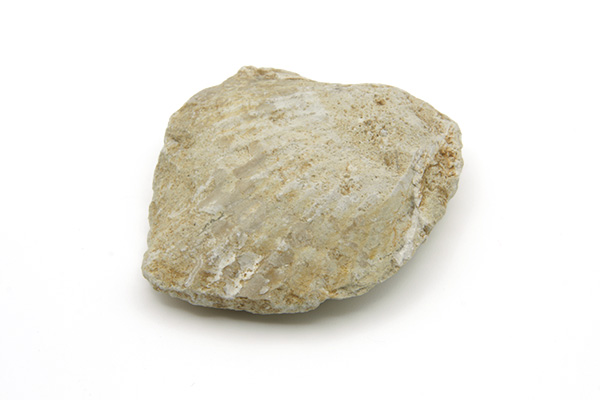
Bivalve
Not yet identified (2019)
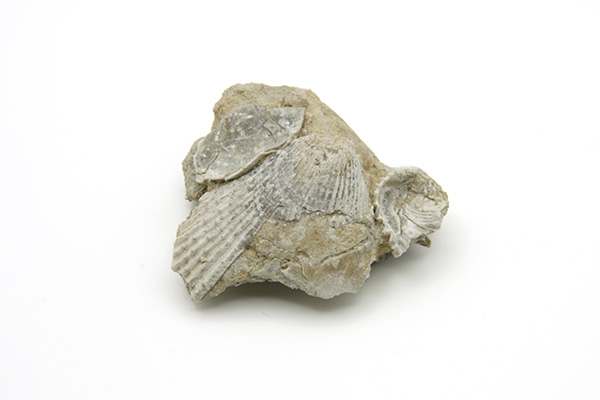
Bivalve
Not yet identified (2019)
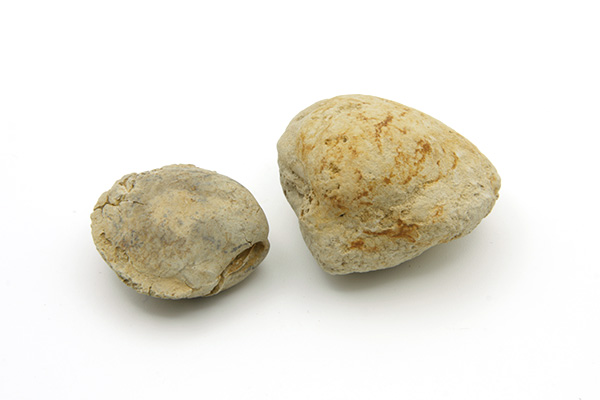
Bivalve
Not yet identified (2019)
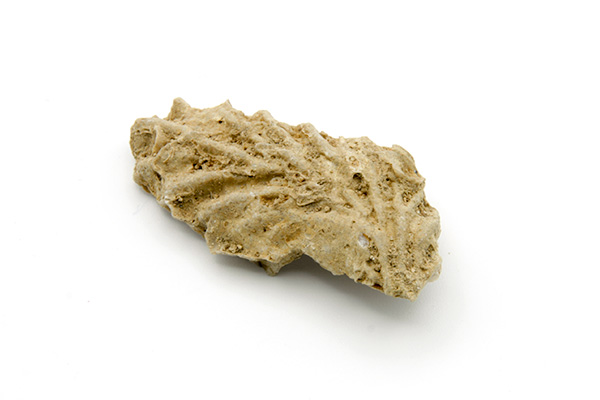
Bivalve
Not yet identified (2019)
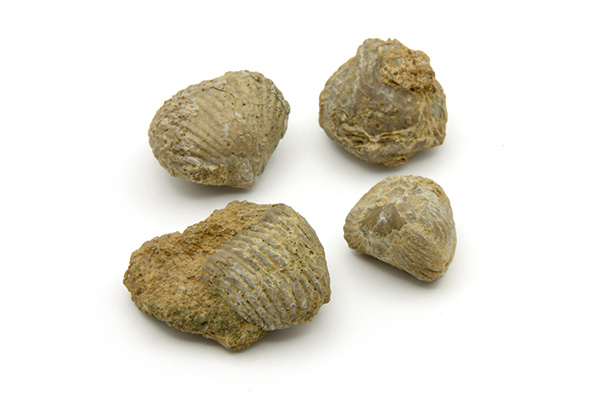
Brachiopod
Not yet identified (2019)
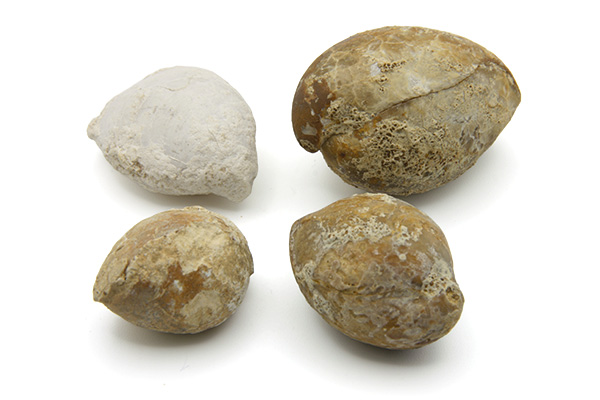
Brachiopod
Terebratula sp. (2019)
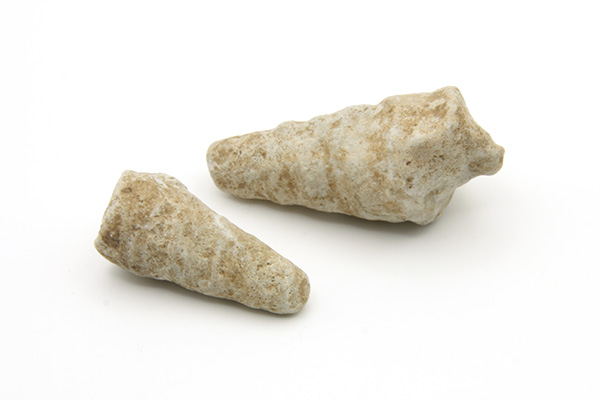
Coral
Not yet identified (2019)

Crinoid
Not yet identified (2019)
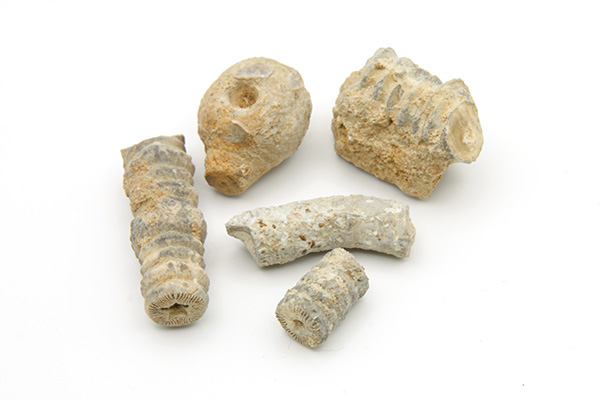
Crinoid
Not yet identified (2019)
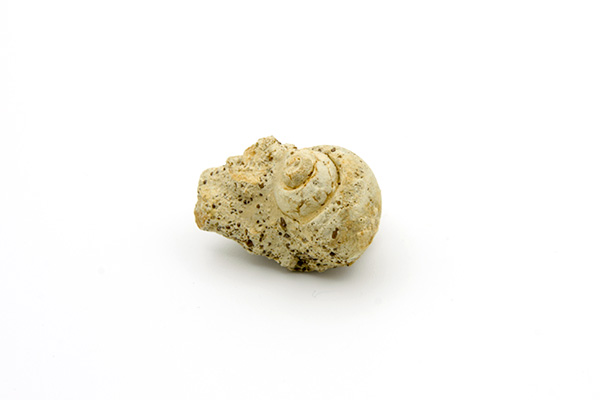
Gastropod
Not yet identified (2019)
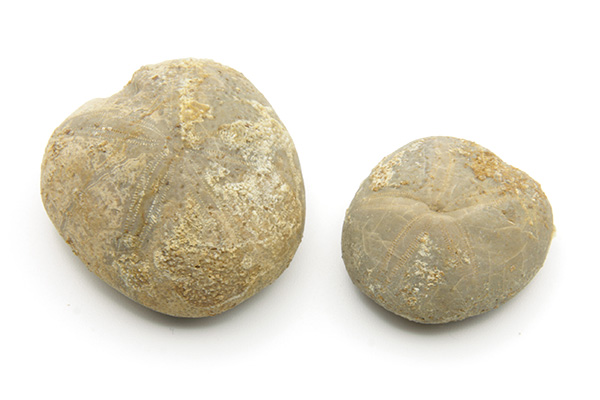
Sea urchin
Nucleolites scutatus (2019)
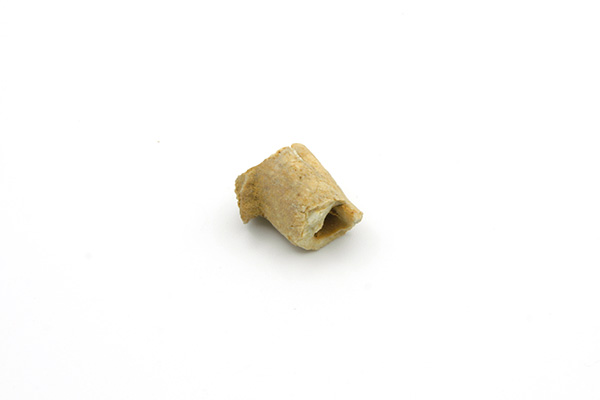
Unknown
Not yet identified (2019)
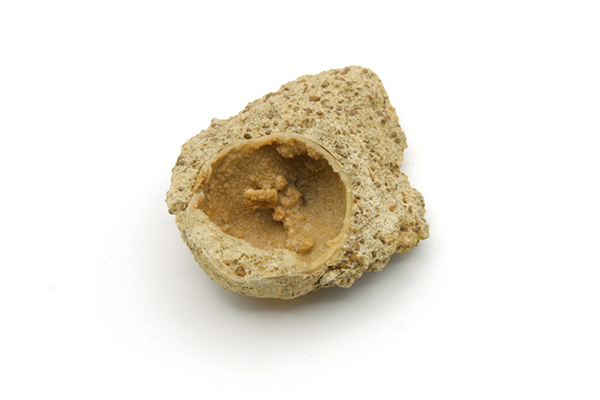
Unknown
Not yet identified (2019)
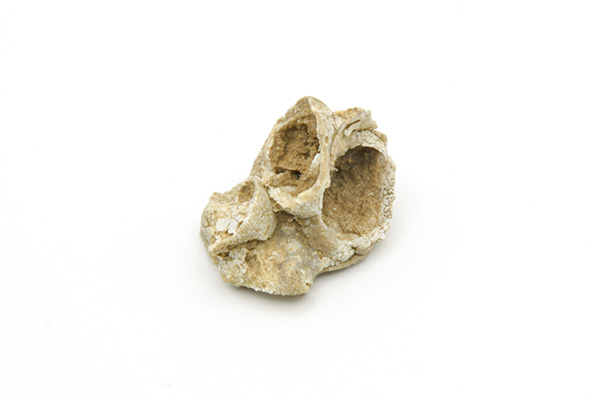
Unknown
Not yet identified (2019)
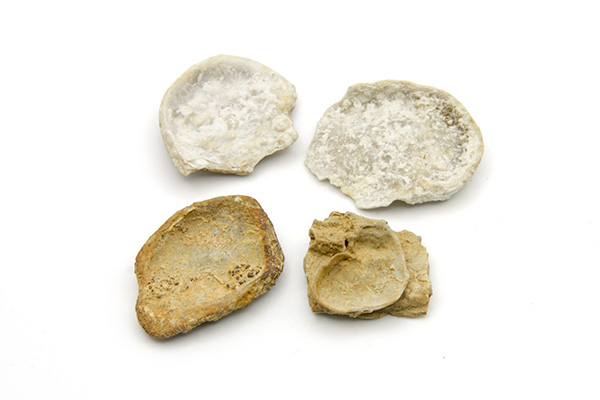
Unknown
Not yet identified (2019)
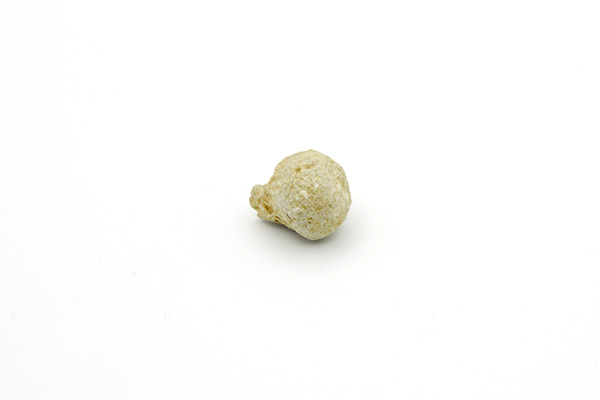
Unknown
Not yet identified (2019)
Location of this site
Fossil sites in Europe
Below is an overview of our fossil sites, the places we've visited, and the fossils we've found there.
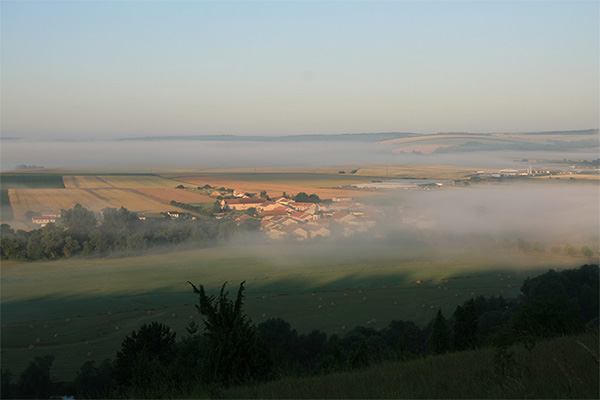
Ailly-sur-Meuse
France

Cadzand
Netherlands
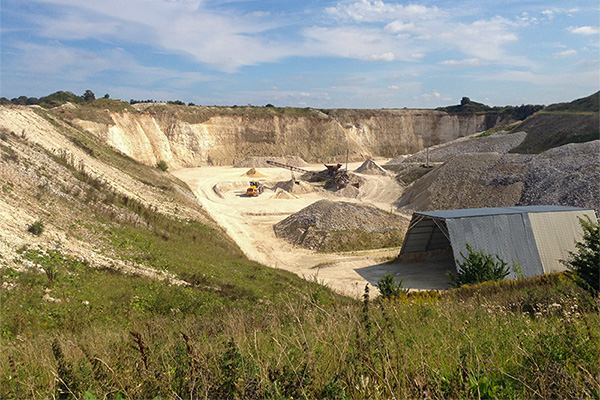
Dalbyover Kalkgrav
Denmark

Faxe Kalkbrud
Denmark
Giesdorf
Germany

Gram Lergrav
Denmark

Lyby Strand
Denmark
Maasvlakte
Netherlands
Mors Molergrav
Denmark

Sallandse Heuvelrug
Netherlands
Sillerslev
Denmark
Stinesminde
Denmark

Varvinay
France
Vedersø Klit
Denmark

Virksund
Denmark

Vokslev Kalkgrav
Denmark