Gram Lergrav
Denmark
Introduction
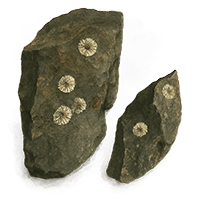
Gram Lergrav is an old quarry where clay was once extracted. In this ancient clay from the Neogene period, bryozoans, shells, and shark teeth are among the fossils hidden away. Whale bones have also been found here. All the fossils you can find are displayed in the museum located next to the quarry.
You're allowed to search for fossils yourself. At the Sønderjylland Museum (msj.dk) you can borrow all the equipment you need, such as boots, shovels, and screwdrivers. The best time to dig is the day after it has rained, when the clay is nice and soft. At the museum you can clean up yourself and all your finds, and buy a small fossil box to store everything nicely.
Geological period
Tertiary
2.6–66 million years ago
When the dinosaurs were gone, mammals and birds took over. Monkeys appeared, grasslands spread, and animals like horses, elephants, and great apes showed up in a cooler world.
What we found there
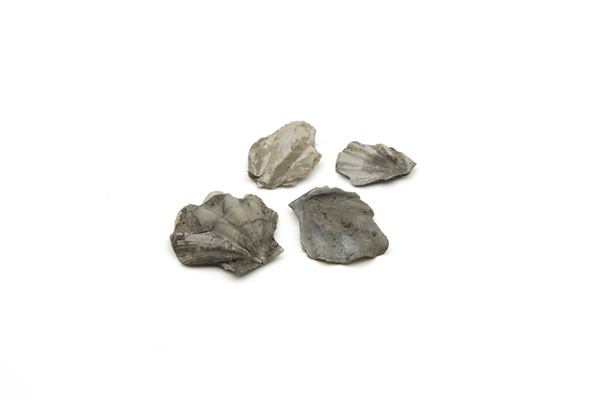
Bivalve
Pseudamussium clavatum (2014)
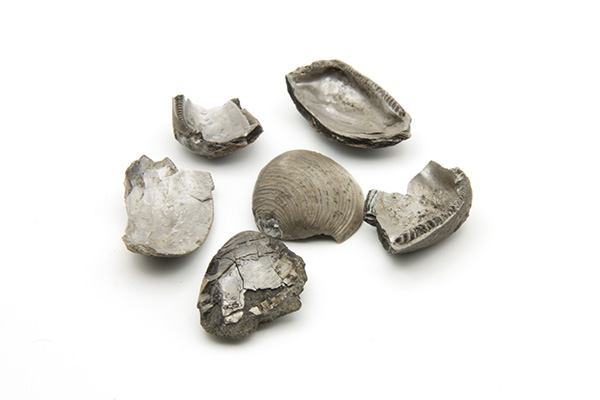
Bivalve
Nucula georgiana (2014)
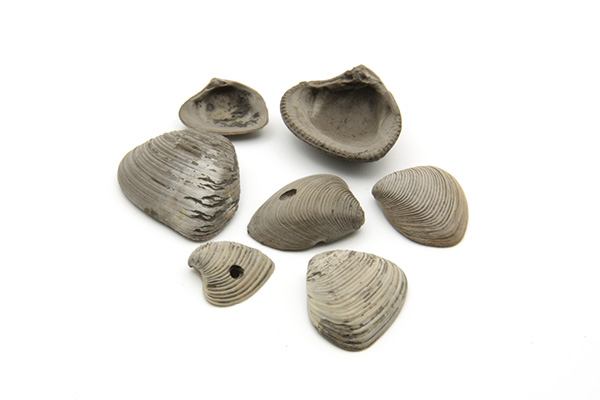
Bivalve
Astarte reimersi (2014)
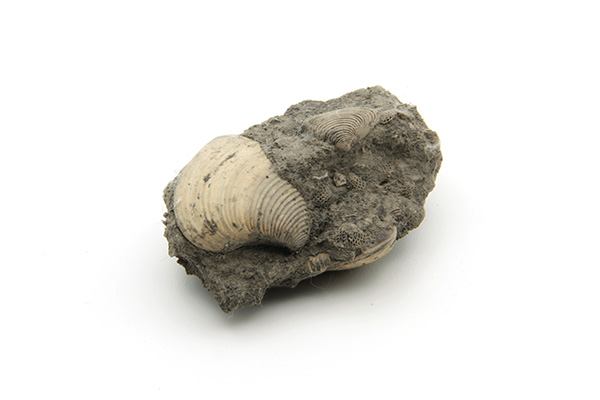
Bivalve
Astarte reimersi (2014)

Bryozoans
Not yet identified (2014)
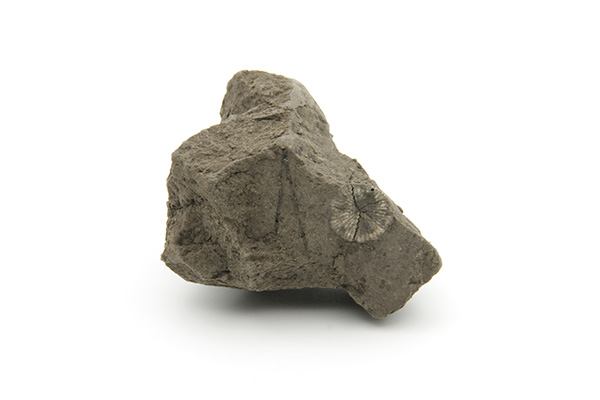
Bryozoans
Not yet identified (2014)

Gastropod
Aquilofusus semiglaber (2014)
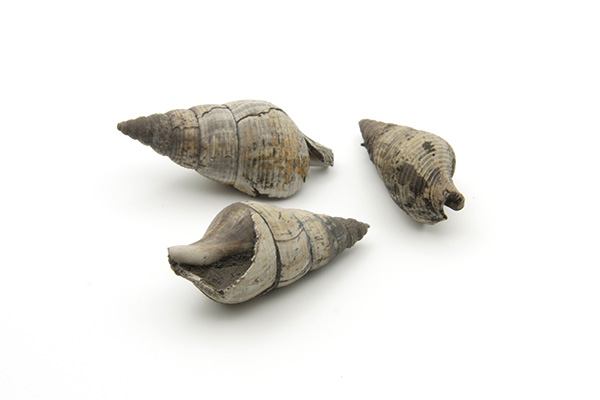
Gastropod
Colus distinctus (2014)
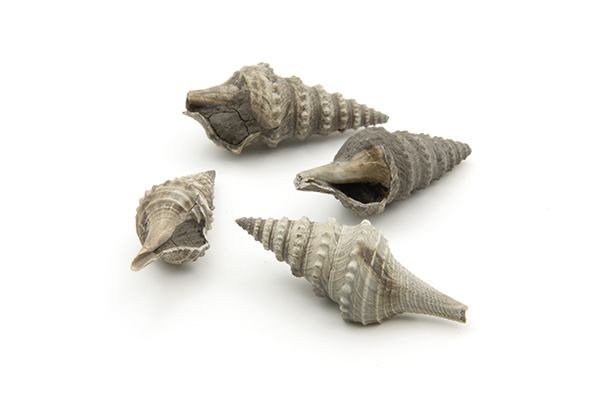
Gastropod
Gemmula badensis (2014)
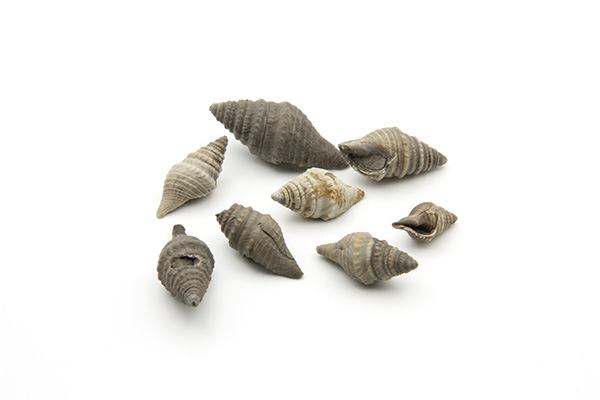
Gastropod
Bathytoma cataphracta (2014)

Gastropod
Narona rothi (2014)
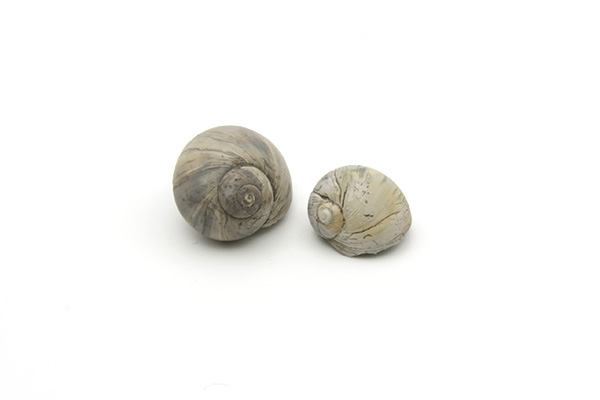
Gastropod
Naticarius koeneni (2014)
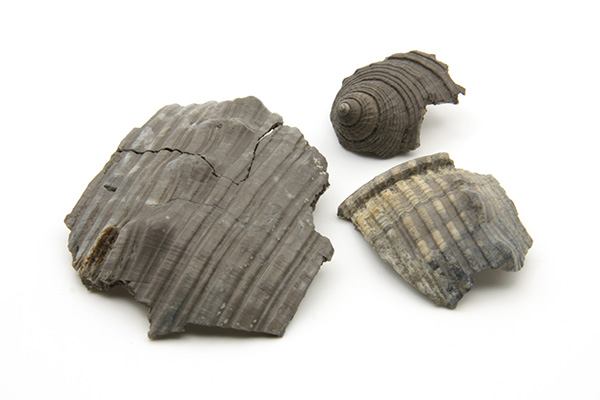
Gastropod
Galeodea echinophora (2014)

Gastropod
Conus antediluvianus (2014)

Shark tooth
Carcharias vorax (2017)
Location of this site
Fossil sites in Europe
Below is an overview of our fossil sites, the places we've visited, and the fossils we've found there.
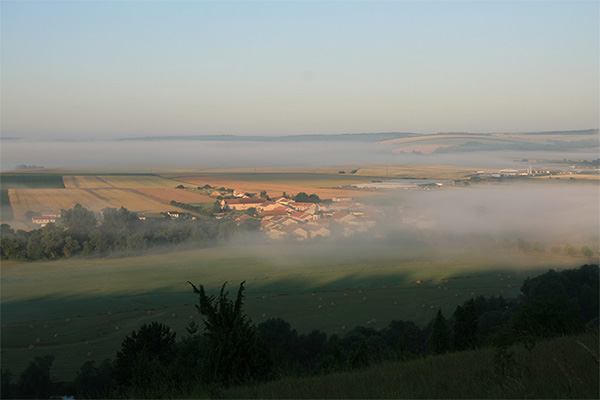
Ailly-sur-Meuse
France

Cadzand
Netherlands
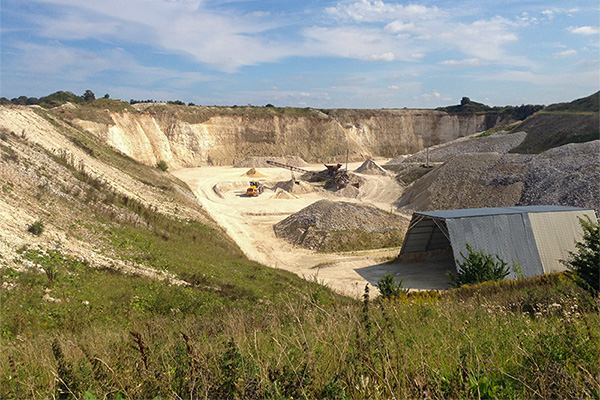
Dalbyover Kalkgrav
Denmark

Faxe Kalkbrud
Denmark
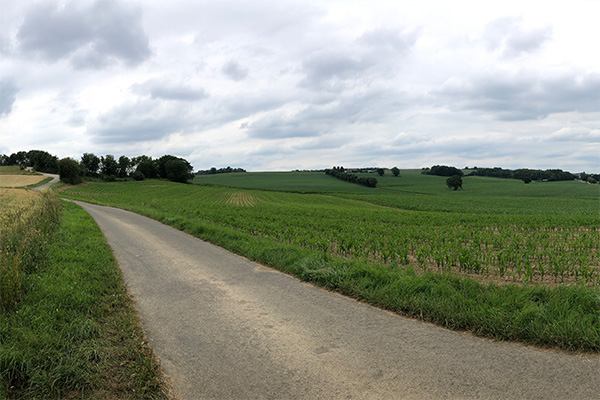
Giesdorf
Germany

Gram Lergrav
Denmark

Lyby Strand
Denmark
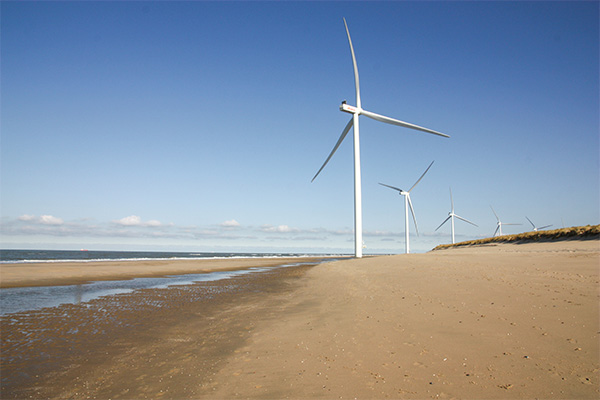
Maasvlakte
Netherlands
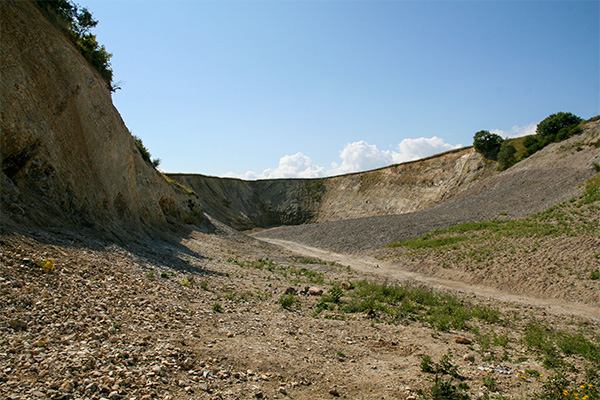
Mors Molergrav
Denmark

Sallandse Heuvelrug
Netherlands
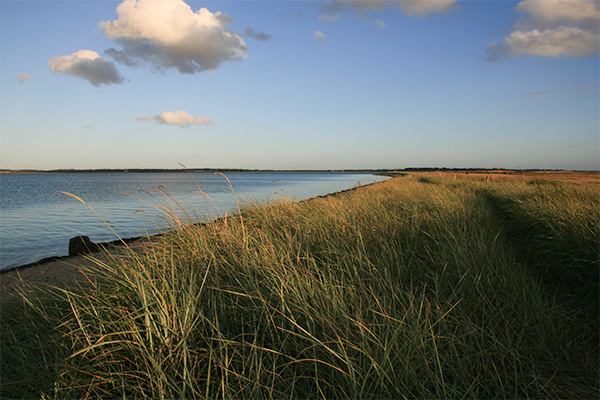
Sillerslev
Denmark
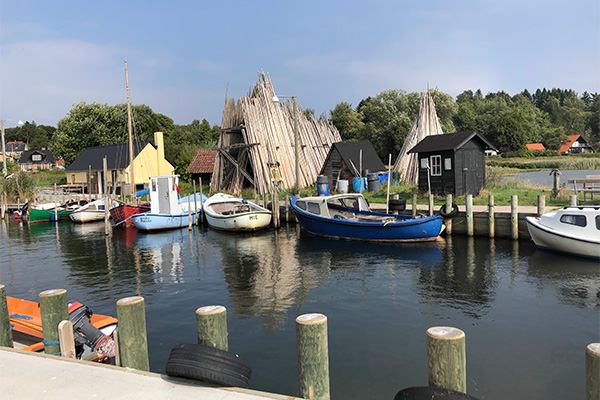
Stinesminde
Denmark

Varvinay
France
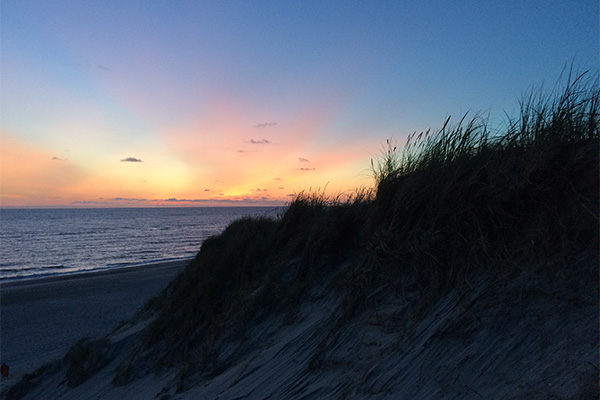
Vedersø Klit
Denmark

Virksund
Denmark

Vokslev Kalkgrav
Denmark