Sallandse Heuvelrug
Netherlands
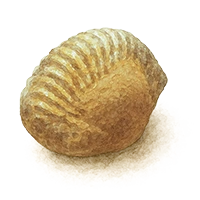
Introduction
Sallandse Heuvelrug is a nature reserve that was formed about 150,000 years ago during the penultimate ice age. Before the area was covered by ice, large rivers had deposited thick layers of sand and gravel alternating with thinner layers of clay. During the ice age, large and small stones were pushed all the way from Scandinavia by moving ice with enormous force.
These forces formed the ridge as we know it today. The landscape of the Sallandse Heuvelrug is now a national park, and a beautiful walking and cycling area with its heath-covered hills and surrounding forests.
In this area you can find fossils that ice-age glaciers brought here from elsewhere. These fossils mainly date from the Jurassic period and include beautiful ammonites.
Geological period
Jurassic
145–201 million years ago
Dinosaurs grew bigger and bigger and ruled the land. The supercontinent Pangaea slowly broke apart, and the first birds appeared. Ammonites and belemnites swam in the warm seas.
What we found there
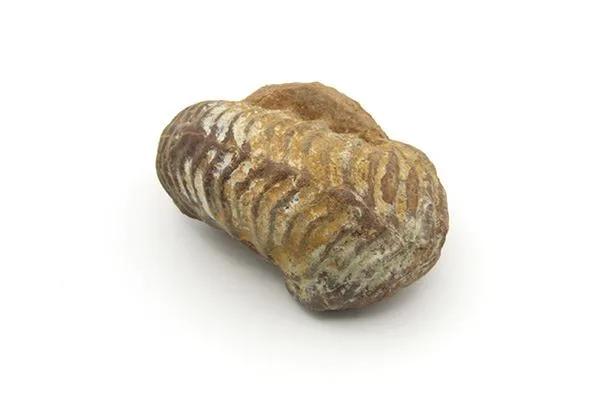
Ammonite
Ludwigia murchisonae (2024)

Ammonite
Ludwigia murchisonae (2024)
Location of this site
Fossil sites in Europe
Below is an overview of our fossil sites, the places we've visited, and the fossils we've found there.
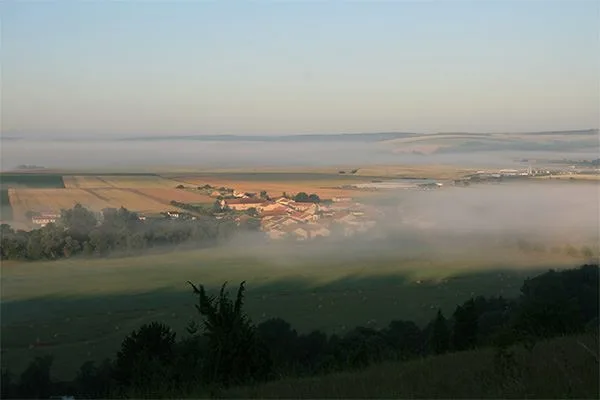
Ailly-sur-Meuse
France
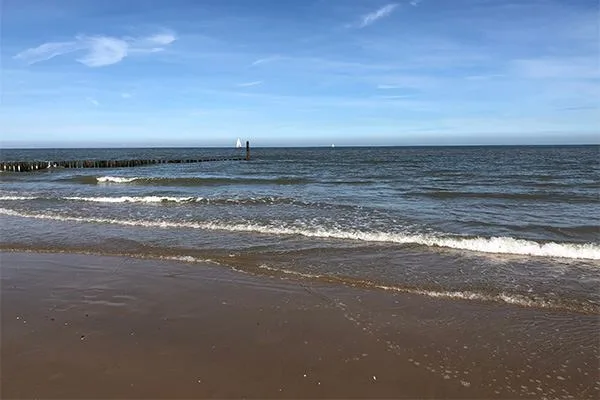
Cadzand
Netherlands
Dalbyover Kalkgrav
Denmark
Faxe Kalkbrud
Denmark
Giesdorf
Germany
Gram Lergrav
Denmark
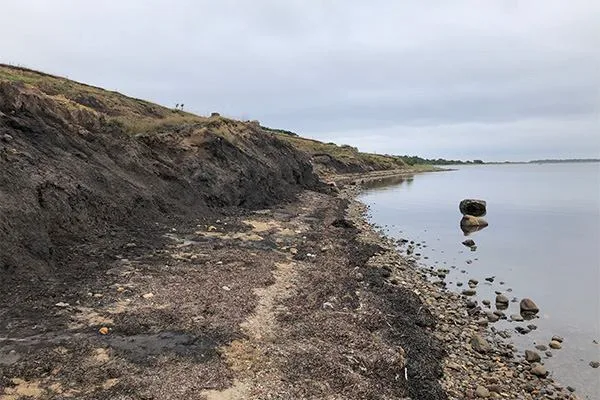
Lyby Strand
Denmark
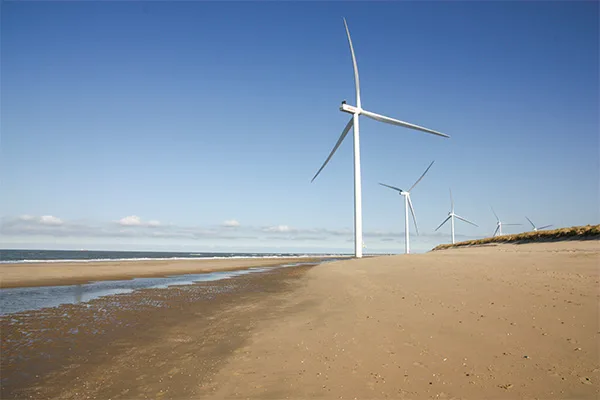
Maasvlakte
Netherlands
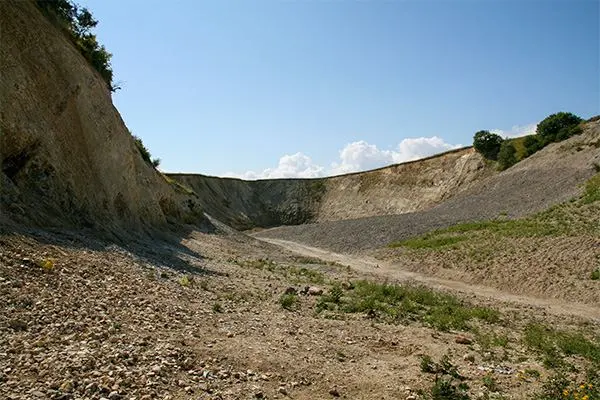
Mors Molergrav
Denmark
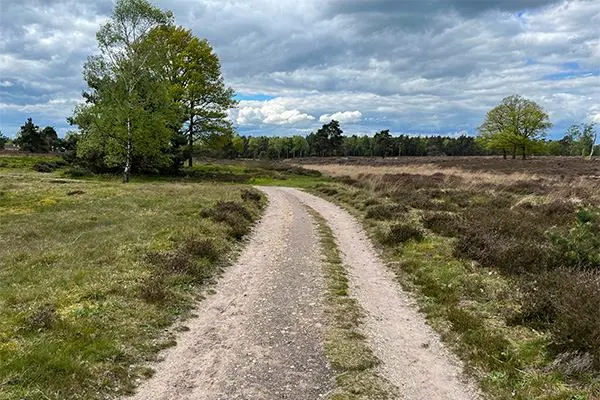
Sallandse Heuvelrug
Netherlands
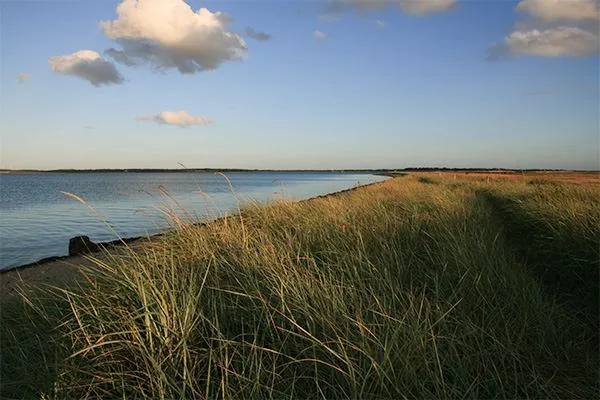
Sillerslev
Denmark
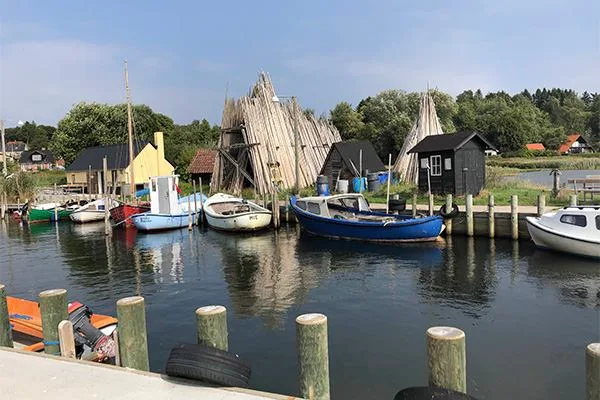
Stinesminde
Denmark
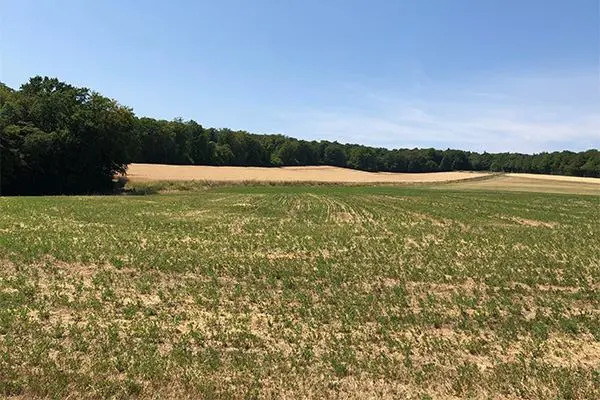
Varvinay
France
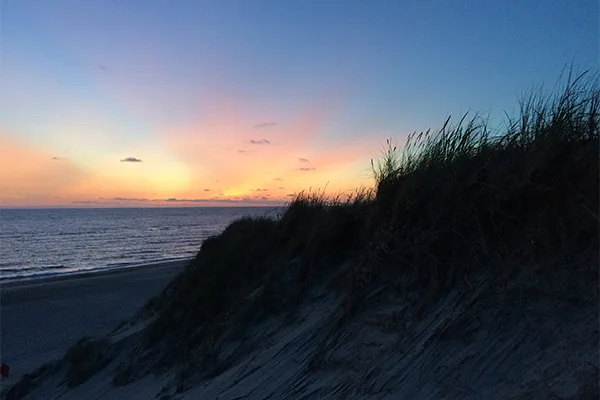
Vedersø Klit
Denmark
Virksund
Denmark
Vokslev Kalkgrav
Denmark