Faxe Kalkbrud
Denmark
Introduction
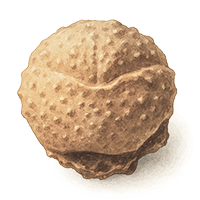
Faxe Kalkbrud is one of the most famous fossil sites in Denmark. The limestone is about 63 million years old and dates from the Danian, the time just after the dinosaurs. It was formed by a coral reef deep in the sea, the oldest known reef of its kind.
The limestone is full of coral branches, bryozoans and many other fossils of sea creatures. Among other things, you can find crabs, snails, crinoids and shark teeth.
Next to the quarry is Geomuseum Faxe. Through the museum you can search in the quarry and rent tools, and you have to pay for that. The fossils here are world-class, and a visit is a must for any fossil collector.
Geological period
Tertiary
2.6–66 million years ago
When the dinosaurs were gone, mammals and birds took over. Monkeys appeared, grasslands spread, and animals like horses, elephants, and great apes showed up in a cooler world.
What we found there

Bivalve
Not yet identified (2025)

Crab
Dromiopsis minor (2025)

Crab
Dromiopsis minor (2025)
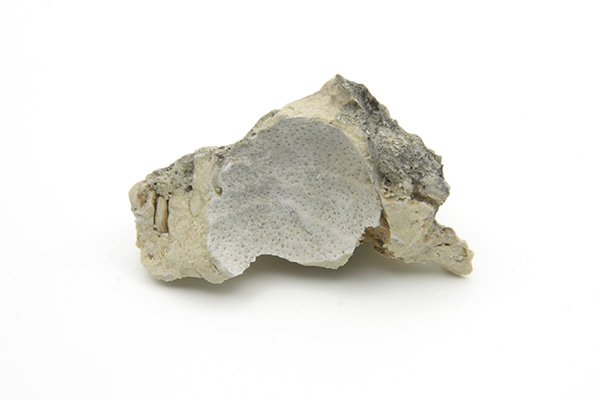
Crab
Dromiopsis minor (2025)

Crinoid
Not yet identified (2025)
Location of this site
Fossil sites in Europe
Below is an overview of our fossil sites, the places we've visited, and the fossils we've found there.
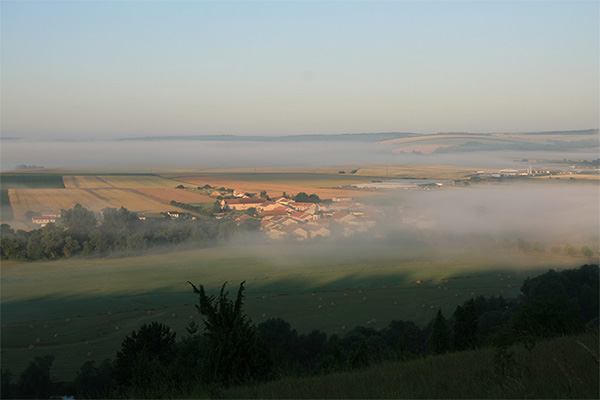
Ailly-sur-Meuse
France

Cadzand
Netherlands
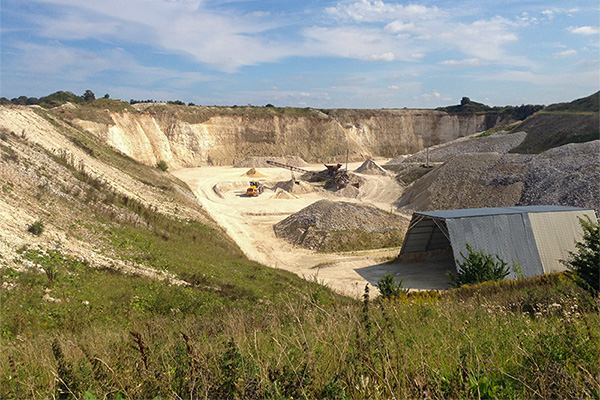
Dalbyover Kalkgrav
Denmark

Faxe Kalkbrud
Denmark
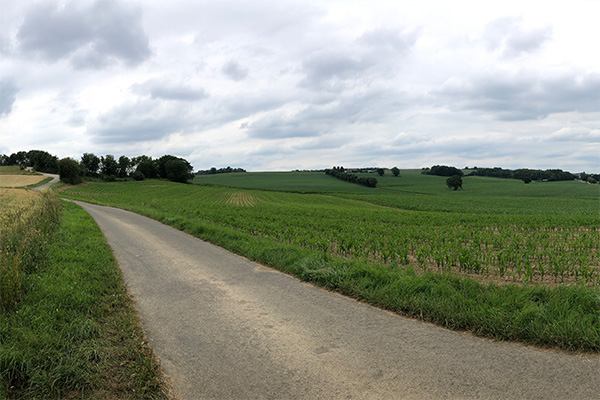
Giesdorf
Germany

Gram Lergrav
Denmark

Lyby Strand
Denmark
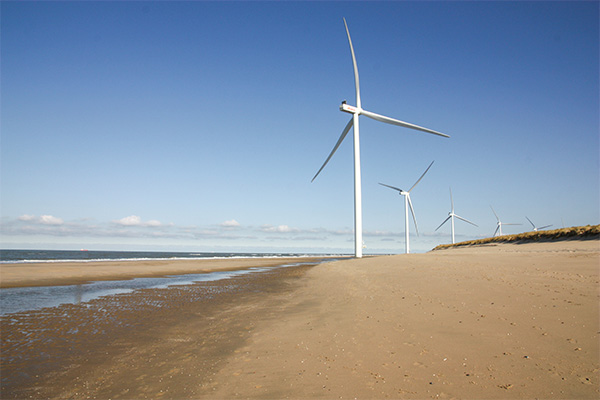
Maasvlakte
Netherlands
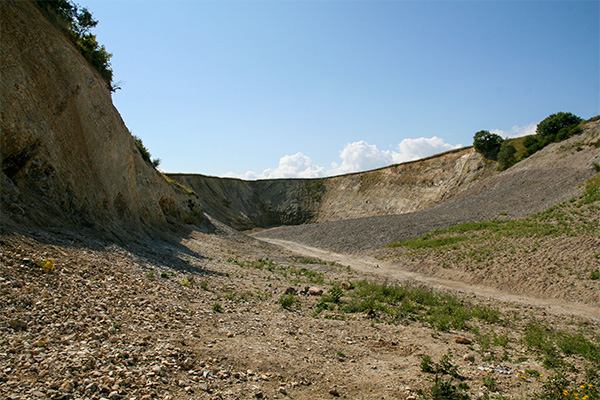
Mors Molergrav
Denmark

Sallandse Heuvelrug
Netherlands
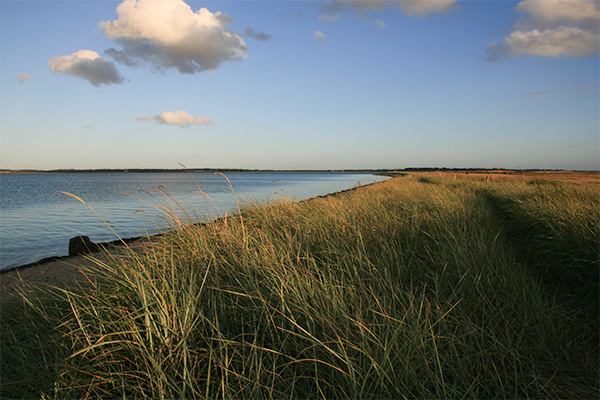
Sillerslev
Denmark
Stinesminde
Denmark

Varvinay
France
Vedersø Klit
Denmark

Virksund
Denmark

Vokslev Kalkgrav
Denmark