Maasvlakte
Netherlands
Introduction
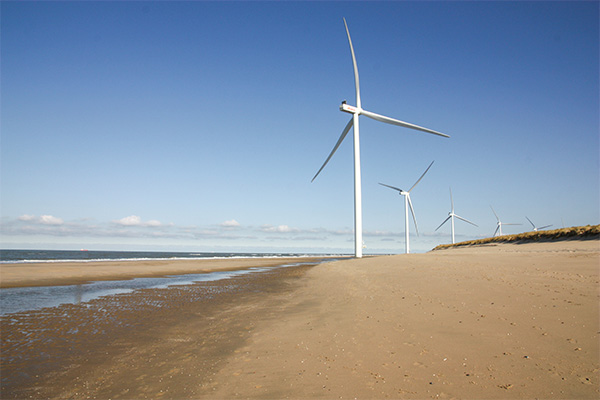
On the beach of Maasvlakte 2, fossils can be found in the sand pumped up from the seabed. This sand comes from deeper layers of the North Sea and contains remains from the Pleistocene, the time of the ice ages, when large parts of today's seabed were dry land. During the pumping process, fossils of mammoths, giant deer and other prehistoric animals were brought up.
Through the action of wind and water, these fossils gradually come to the surface. Your chances of finding something are best after storms or at low tide. These are often loose bone fragments, teeth, molars and sometimes flint tools. The fossils are scattered among shells, gravel and other washed-up material.
Geological period
Quaternary
0–2.6 million years ago
We are now living in the newest chapter of Earth's history. Humans appeared and built villages and cities. There were ice ages with animals like mammoths and saber-toothed tigers. Today, people are changing the planet faster than ever before.
What we found there
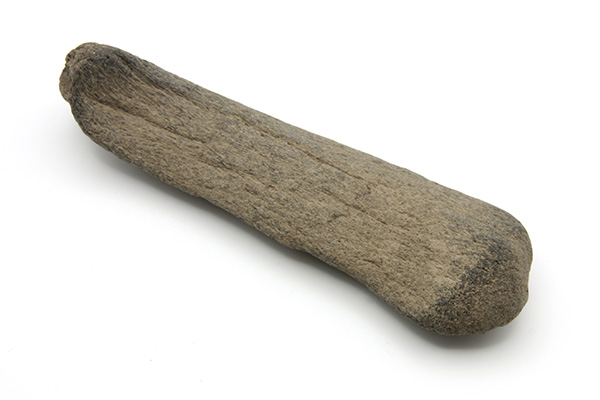
Antler
Dama dama (2025)
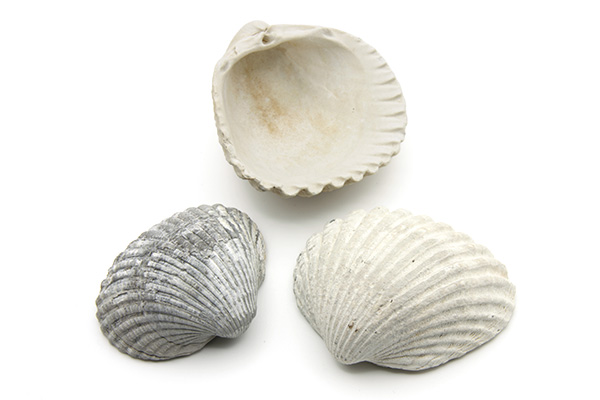
Bivalve
Cerastoderma edule (2025)
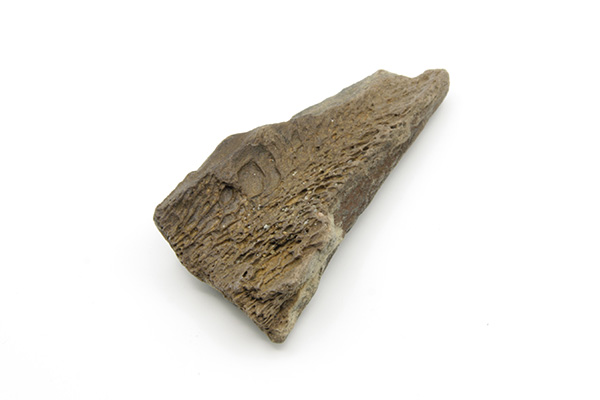
Bone
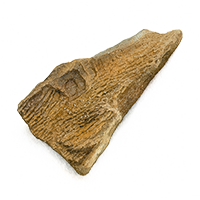
Not yet identified (2025)

Bone
Not yet identified (2025)
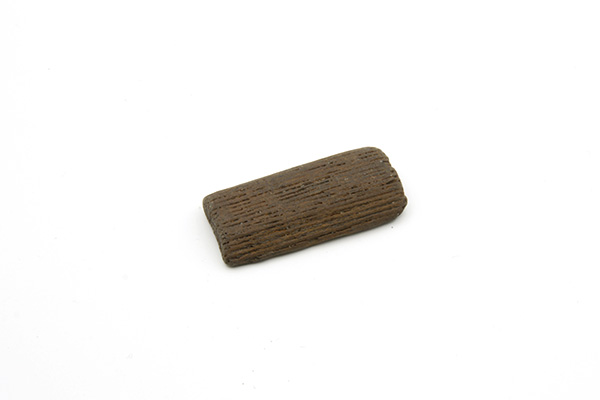
Ivory
Not yet identified (2025)
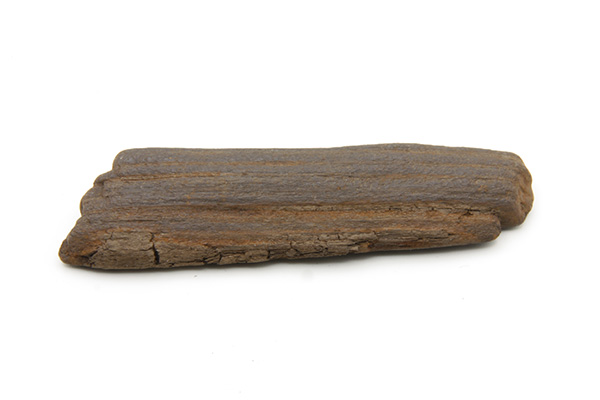
Petrified wood
Not yet identified (2025)
Location of this site
Fossil sites in Europe
Below is an overview of our fossil sites, the places we've visited, and the fossils we've found there.
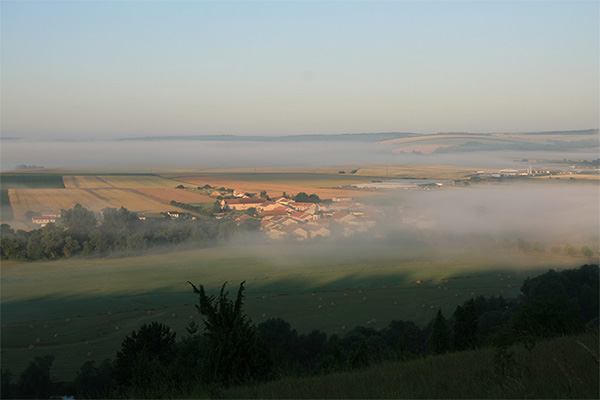
Ailly-sur-Meuse
France

Cadzand
Netherlands
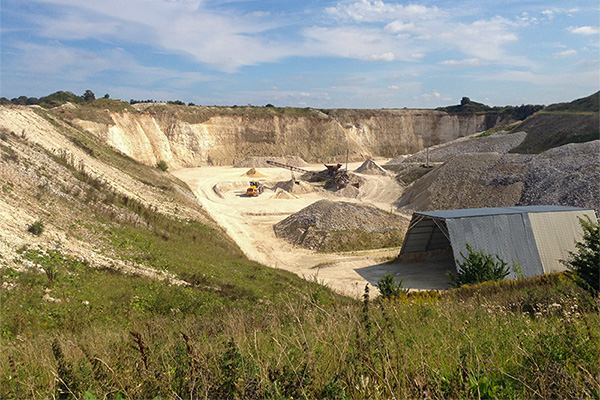
Dalbyover Kalkgrav
Denmark

Faxe Kalkbrud
Denmark
Giesdorf
Germany

Gram Lergrav
Denmark

Lyby Strand
Denmark
Maasvlakte
Netherlands
Mors Molergrav
Denmark

Sallandse Heuvelrug
Netherlands
Sillerslev
Denmark
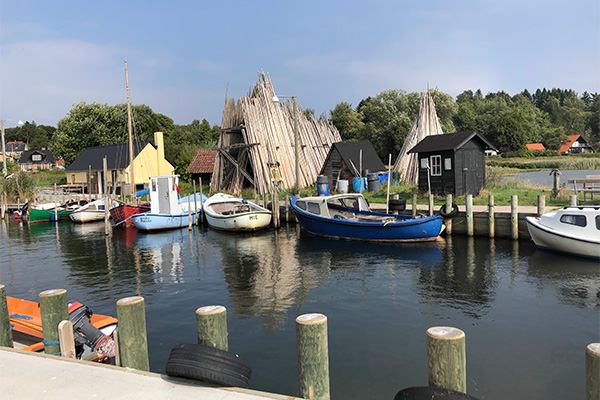
Stinesminde
Denmark

Varvinay
France
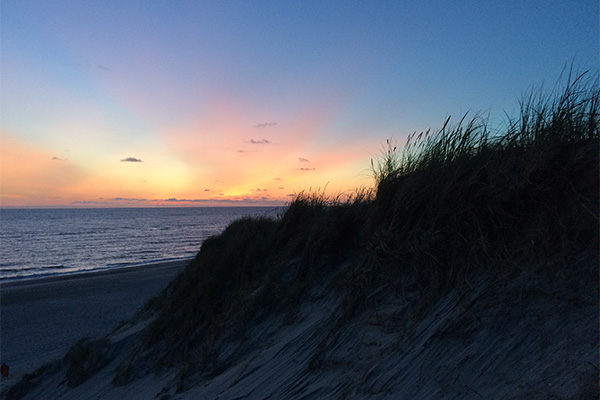
Vedersø Klit
Denmark

Virksund
Denmark

Vokslev Kalkgrav
Denmark