Vedersø Klit
Denmark
Introduction
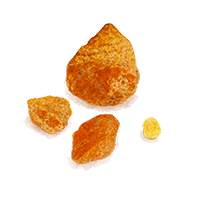
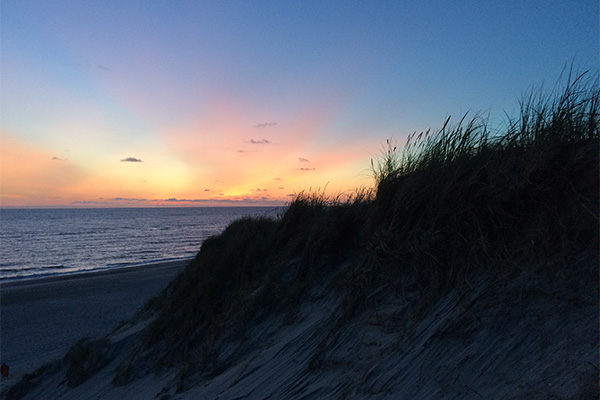
On the beach on the west coast of Jutland, amber regularly washes ashore. It turns up especially in autumn, when heavy storms churn up the seabed and set it free.
Amber is the "fossilized" resin of an ancient coniferous tree and is light yellow to dark orange in color. Amber is much lighter than stone and feels a bit like plastic.
Think you've found a piece? You can test it: first dissolve lots of salt in a glass of warm tap water, then drop the piece in. Amber will float, but an ordinary stone sinks to the bottom.
Geological period
Tertiary
2.6–66 million years ago
When the dinosaurs were gone, mammals and birds took over. Monkeys appeared, grasslands spread, and animals like horses, elephants, and great apes showed up in a cooler world.
What we found there

Amber
Amber (2017)
Location of this site
Fossil sites in Europe
Below is an overview of our fossil sites, the places we've visited, and the fossils we've found there.
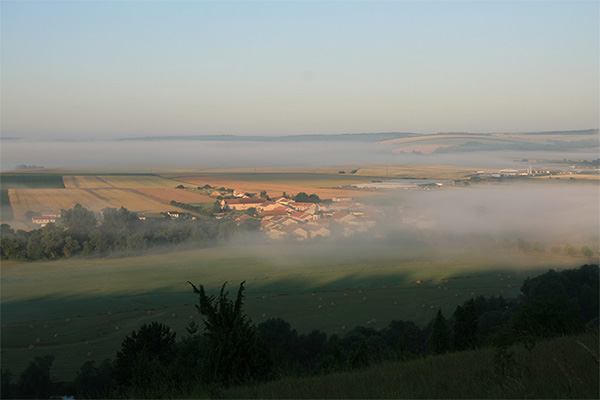
Ailly-sur-Meuse
France

Cadzand
Netherlands
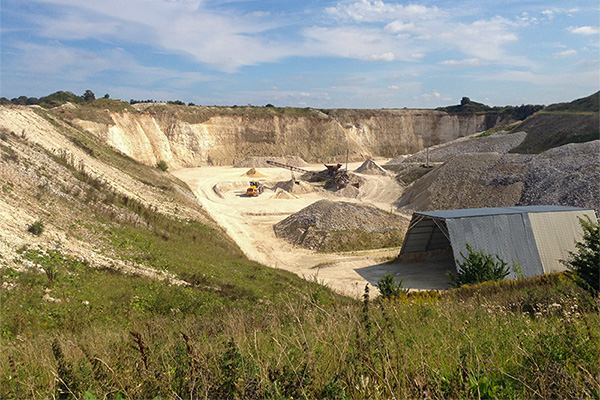
Dalbyover Kalkgrav
Denmark

Faxe Kalkbrud
Denmark
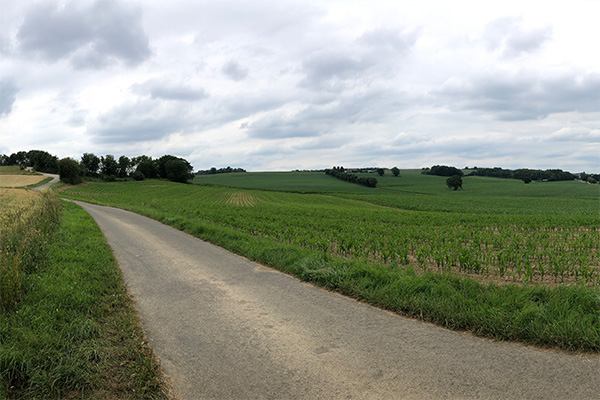
Giesdorf
Germany

Gram Lergrav
Denmark

Lyby Strand
Denmark
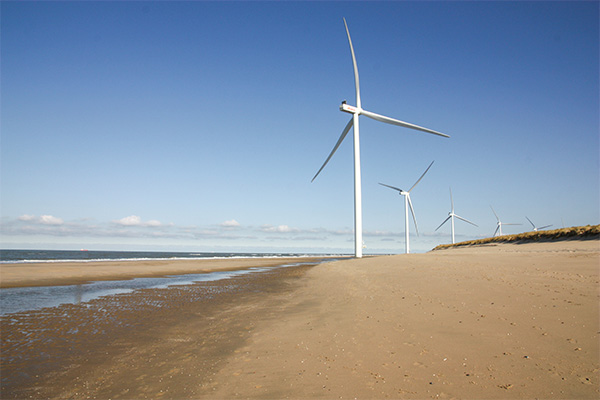
Maasvlakte
Netherlands
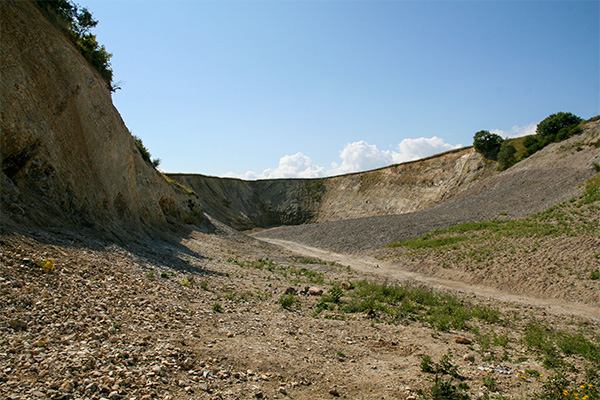
Mors Molergrav
Denmark

Sallandse Heuvelrug
Netherlands
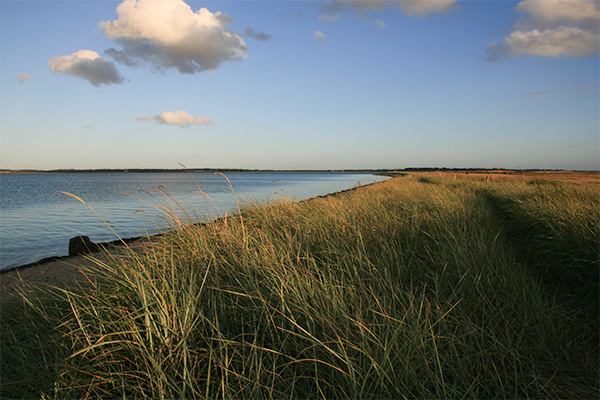
Sillerslev
Denmark
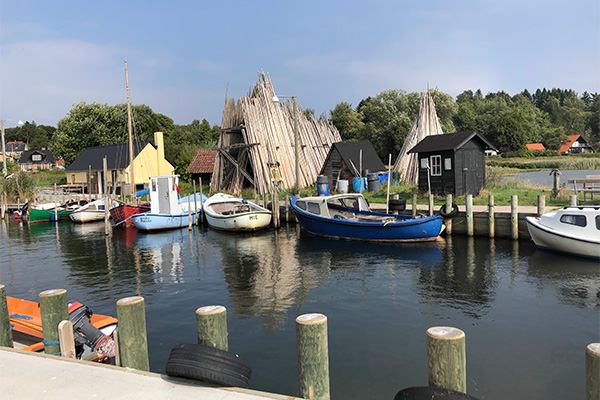
Stinesminde
Denmark

Varvinay
France
Vedersø Klit
Denmark

Virksund
Denmark

Vokslev Kalkgrav
Denmark