Cadzand
Netherlands
Introduction
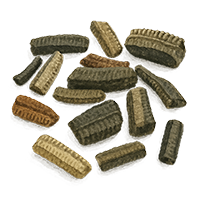
On the beach near Cadzand, you can find fossil bones, shells, and shark and ray teeth. These fossils are dark in color (almost black) and stand out from the lighter "regular" shells and teeth.
After a strong storm, you might find shark teeth along the tide line if you're lucky. Since lots of people search here, you'll have better chances if you start sieving. It's best to make your own sieve with mesh no larger than 5 mm. On our website, under the heading "Fossil hunting", you'll find instructions on how to make your own sieve.
Dig a hole in the sand until you reach a shell layer. That's the material you need to sieve. Ray and shark teeth can be tiny or very large. Carefully study all dark brown and black pieces among the light sand, because after a few hours of sieving, you might find quite a few small (and maybe even large) teeth.
Geological period
Quaternary
0–2.6 million years ago
We are now living in the newest chapter of Earth's history. Humans appeared and built villages and cities. There were ice ages with animals like mammoths and saber-toothed tigers. Today, people are changing the planet faster than ever before.
Tertiary
2.6–66 million years ago
When the dinosaurs were gone, mammals and birds took over. Monkeys appeared, grasslands spread, and animals like horses, elephants, and great apes showed up in a cooler world.
What we found there
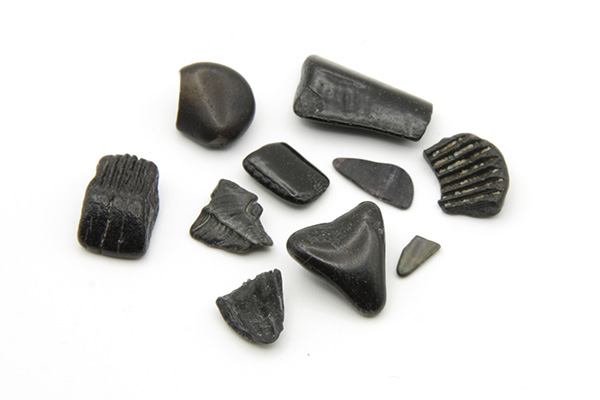
Shark and ray teeth
Not yet identified (2019)
Location of this site
Fossil sites in Europe
Below is an overview of our fossil sites, the places we've visited, and the fossils we've found there.
Ailly-sur-Meuse
France

Cadzand
Netherlands
Dalbyover Kalkgrav
Denmark

Faxe Kalkbrud
Denmark
Giesdorf
Germany

Gram Lergrav
Denmark

Lyby Strand
Denmark
Maasvlakte
Netherlands
Mors Molergrav
Denmark

Sallandse Heuvelrug
Netherlands
Sillerslev
Denmark
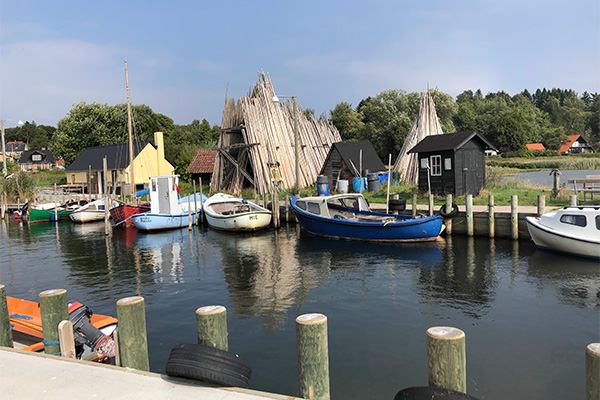
Stinesminde
Denmark

Varvinay
France
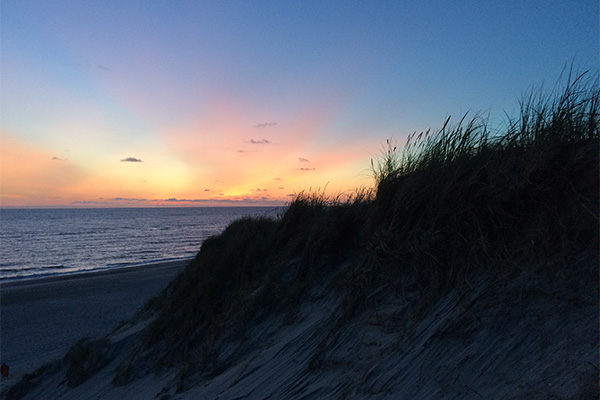
Vedersø Klit
Denmark

Virksund
Denmark

Vokslev Kalkgrav
Denmark